Afaan filadhu .

The Essential Guide to Flat Rubber O Rings for Industrial Sealing
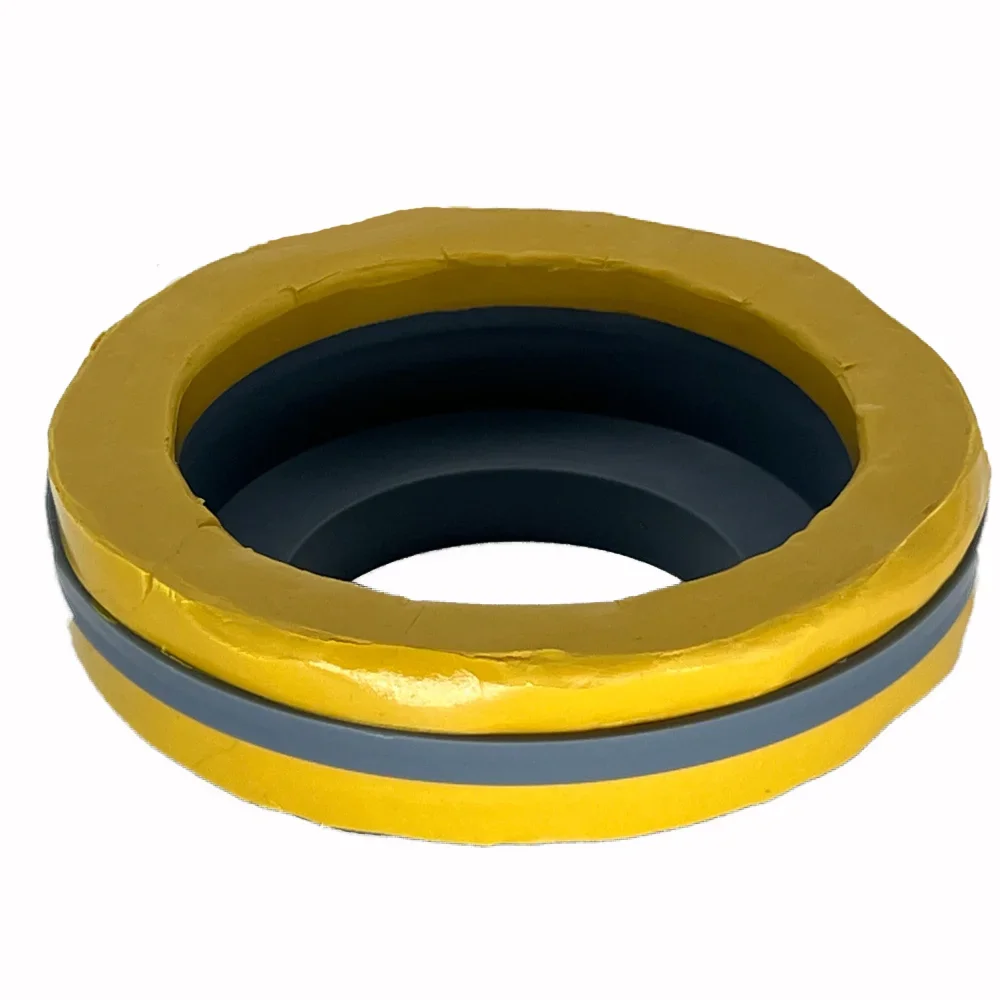
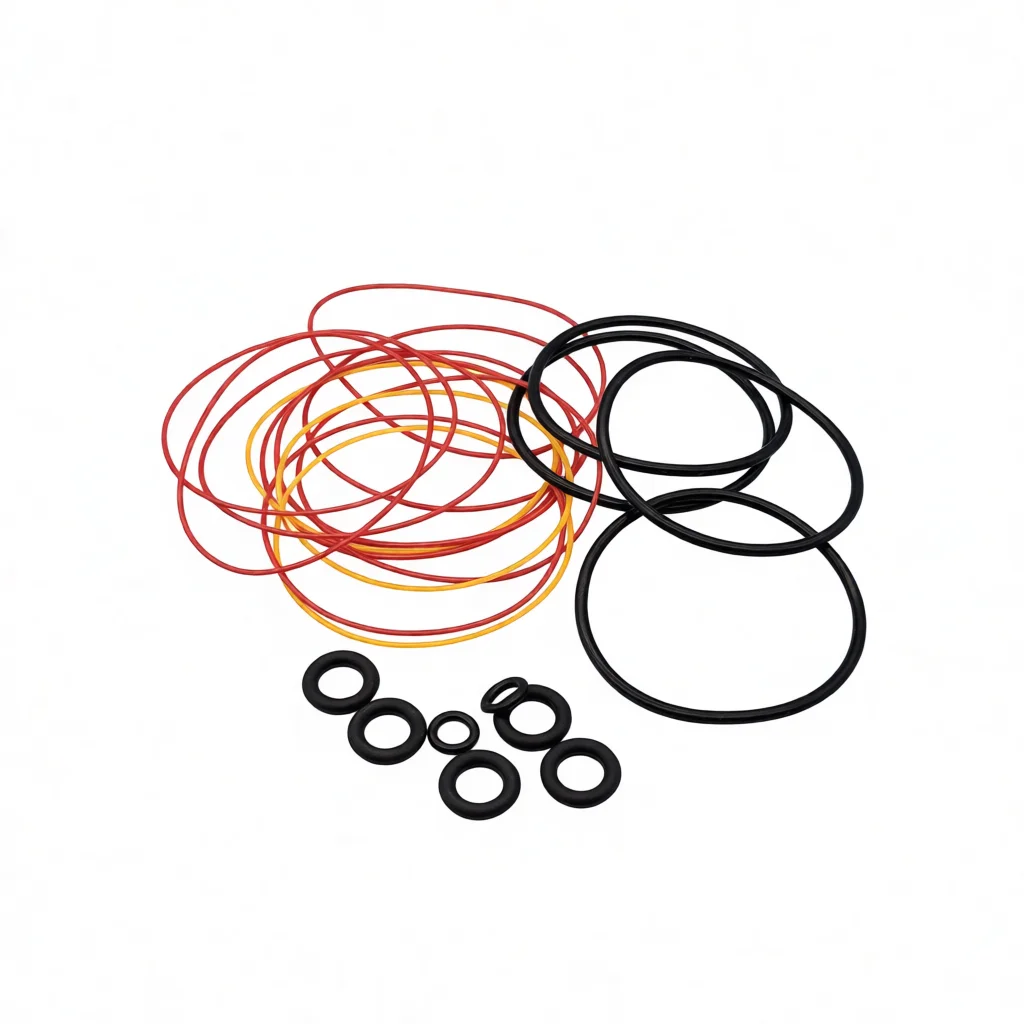
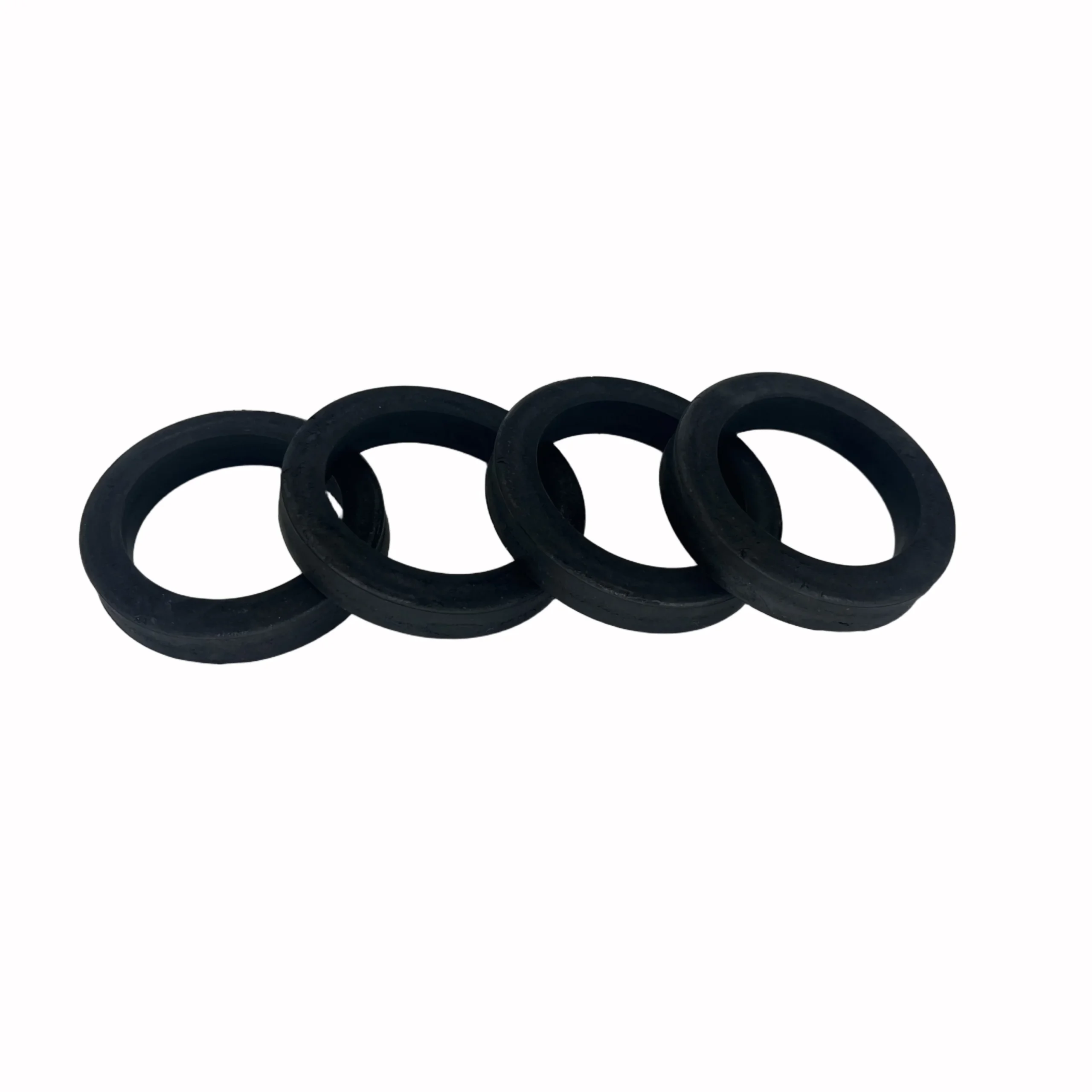
In the demanding world of industrial manufacturing, the integrity of a seal can be the difference between operational success and catastrophic failure. Flat rubber o rings serve as a critical primary line of defense, engineered to Prev .ent leaks, protect sensitive internal components, and withstand extreme hydrostatic pressures. Whether applied in underwater robotics or heavy machinery, these sealing Furmaata ensure that liquids, gases, and contaminants are effectively blocked. This guide explores the technical nuances, material advantages, and strategic Iyyatas of high-performance flat seals in modern engineering.

Material Superiority: Why NBR is Preferred for Flat Rubber O Rings
The effectiveness of flat rubber o rings is heavily dependent on the elastomer used. Nitrile Butadiene Rubber (NBR) is the industry standard for underwater and chemical-heavy environments due to its exceptional resistance to oils, fuels, and various industrial solvents. Unlike general-purpose rubbers, NBR maintains its structural stability and elasticity even when submerged in aggressive media such as copper sulfate or sodium hypochlorite. This chemical inertness Prev .ents the seal from swelling or cracking, which is vital for maintaining a watertight barrier in high-pressure scenarios.
Technical Advantage: NBR-based seals offer a performance retention rate of ≥80% after 30 days of immersion in corrosive acids and alkalis, ensuring long-term reliability for submersible equipment.
Performance Metrics of High-Grade Flat Rubber O Rings
To ensure a perfect fit, engineers must evaluate the performance indices of their sealing components. High-quality flat rubber o rings are tested against UV radiation, ozone aging, and thermal cycling. For instance, resistance to UV irradiation for 168 hours and ozone exposure for 72 hours ensures that the seals do not degrade when stored or operated in surface conditions before deployment. Dimensional stability across temperatures ranging from -20℃ to 60℃ is essential to Prev .ent leakage during deep-sea descent or extreme weather transitions.
Critical Iyyatas for Flat Rubber O Rings in Submersibles
In the field of underwater robotics, the Iyyata of flat rubber o rings extends beyond simple gaskets. They are utilized for sealing power and data cable interfaces, protecting sensor probe hole positions, and securing battery compartments. In these scenarios, the seal must counteract immense hydrostatic pressure to Prev .ent water ingress, which would otherwise cause immediate short circuits in electronic components. The ability to customize the hardness of the rubber Hundaows the seal to conform to minor surface imperfections while remaining firm enough to resist extrusion under pressure.

Customization and Specification of Rubber Sealing Furmaata
Standard sizes often fail to meet the complex geometries of specialized underwater equipment. Tasfore, the capacity for customizing flat rubber o rings in terms of structure, inner diameter, and Shore hardness is paramount. Custom-engineered seals ensure an airtight and watertight fit for redundant holes, vent ports, and maintenance interfaces. By aligning the material hardness with the specific pressure ratings of the equipment, manufacturers can maximize mission uptime and reduce the frequency of costly maintenance intervals.
Comparing Flat Seals vs. Conventional O-Rings
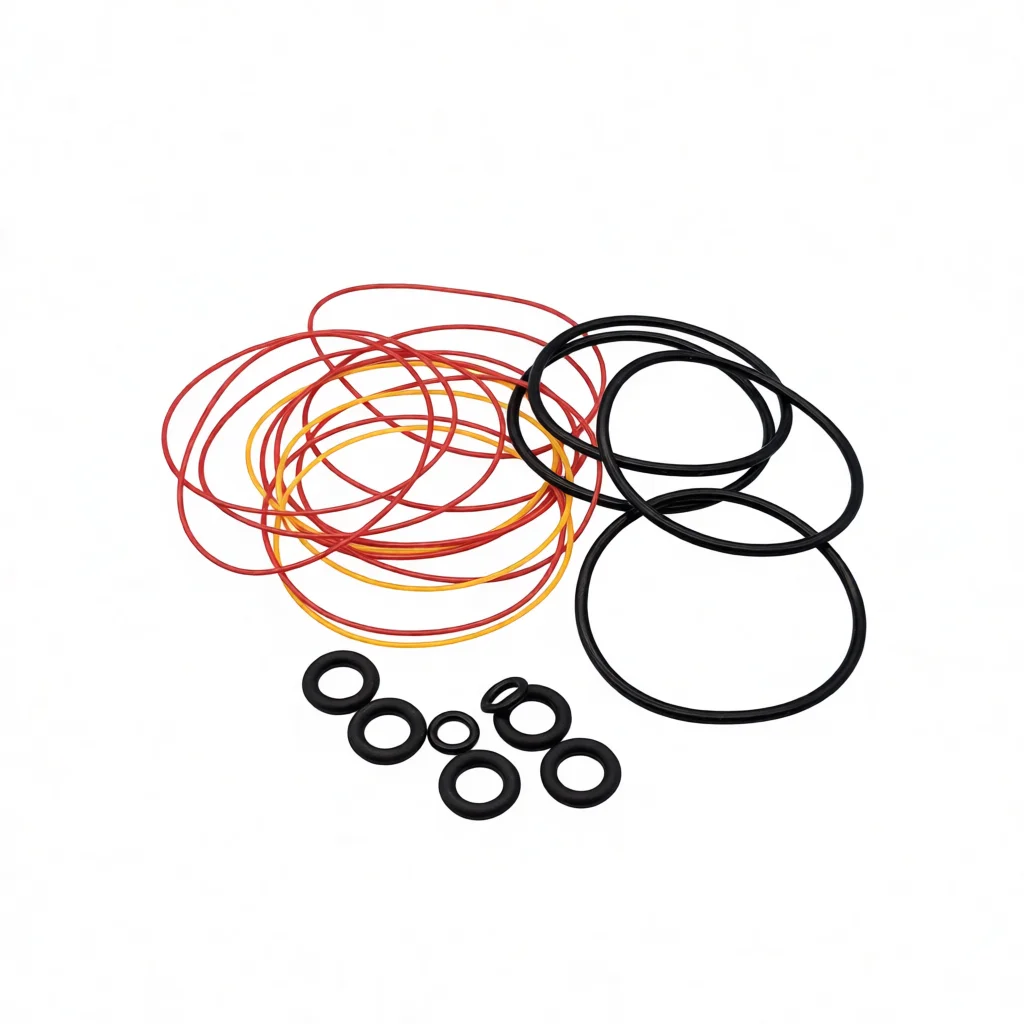
While traditional circular O-rings are excellent for radial sealing, flat rubber o rings are superior for face-sealing Iyyatas. Flat seals distribute pressure more evenly across a flat surface, reducing the risk of deformation under high axial loads. This makes them the ideal choice for sealing charging ports and sensor bases was a flush fit is required. The choice between the two typicHunday depends on the housing design and the direction of the applied force.
Ensuring Longevity and Safety in Harsh Environments
The longevity of underwater equipment is directly linked to the anti-aging properties of its seals. Flat rubber o rings manufactured with high-grade NBR are engineered to resist the harsh realities of oceanic deployment, including saltwater corrosion and the presence of hydrocarbons. By maintaining structural stability through temperature fluctuations, these seals Prev .ent the catastrophic ingress of water into battery compartments and data circuits. Investing in high-performance sealing Furmaata is not just WAA'EE Prev .enting leaks; it is WAA'EE enhancing the operational safety and reliability of the entire robotic system.
Conclusion: Optimizing Your Sealing Strategy
Choosing the right flat rubber o rings is a critical engineering decision that impacts the lifespan and reliability of submersible machinery. From the chemical resistance of NBR to the precision of custom specifications, every detail counts in creating an impenetrable barrier against the elements. By prioritizing high-performance materials and rigorous testing standards, companies can ensure their equipment operates safely in the most chHundaenging underwater environments. For professional-grade sealing Furmaata, trust the expertise of Sunlitetek.
Yeroo baayyee gaafatame . Gaaffiiwwan . (FAQ .S .)
What makes NBR the best choice for flat rubber o rings in underwater robots?
NBR, or Nitrile Butadiene Rubber, is preferred because it offers a superior balance of oil resistance, chemical stability, and mechanical strength. In underwater environments, seals are often exposed to lubricants, hydraulic fluids, and saltwater. NBR resists swelling and degradation when in contact with these substances, ensuring the seal remains tight and effective. IDA'UUitionHunday, its ability to maintain elasticity across a wide temperature range Prev .ents the seal from becoming brittle in cold deep-sea waters or softening in warmer surface temperatures, making it indispensable for mission-critical underwater equipment.
How do I determine the correct hardness for my flat rubber o rings?
Determining the correct Shore hardness depends on the operating pressure and the surface finish of the mating parts. A lower hardness (softer rubber) is ideal for low-pressure Iyyatas or surfaces with minor imperfections, as it conforms more easily to the surface to create a seal. Conversely, high-pressure environments require a higher hardness to Prev .ent the rubber from being extruded or deformed by the hydrostatic force. We recommend analyzing the maximum depth of deployment and the specific torque applied to the seal to select the optimal hardness that balances conformability with structural resilience.
Can flat rubber o rings be customized for non-standard port sizes?
Yes, customization is a core part of professional sealing Furmaata. Since sensor interfaces and data ports vary significantly between different robotic models, we provide support for customized specifications. This includes tailoring the inner and outer diameters, thickness, and the overHunda geometric structure of the plug or ring. Customization ensures that the flat rubber o rings provide 100% surface coverage, leaving no gaps for water ingress. This precision engineering is essential for protecting high-value electronics in specialized aquaculture and detection devices.
How often should flat rubber seals be replaced in submersible equipment?
The replacement interval depends on the severity of the environment and the frequency of use. However, it is a best practice to inspect seals after every major deployment. Signs of wear include surface cracks, permanent deformation (compression set), or a change in the rubber's elasticity. In harsh chemical environments or deep-sea operations, we recommend a scheduled replacement every 12 to 24 months to Prev .ent unexpected failures. Regular Prev .entative maintenance is significantly more cost-effective than repairing electronics damaged by water ingress.

The Essential Guide to Flat Rubber O Rings for Industrial Sealing In the demanding world of industrial manufacturing, the integrity of a seal can be the difference between operational success and catastrophic failure. Flat rubber o rings serve as a critical primary line of defense, engineered to Prev .ent leaks, protect sensitive internal components, and withstand extreme hydrostatic pressures. Whether applied in underwater robotics or heavy machinery, these sealing Furmaata ensure that liquids, gases, and contaminants are effectively blocked. This guide explores the technical nuances, material advantages, and strategic Iyyatas of high-performance flat seals in modern engineering.