Afaan filadhu .

Stepper Motor Vibration Isolation Mounts Iyyata Guide

Precision machinery operating under continuous mechanical stress requires deliberate vibration isolation to Prev .ent micro-displacements during execution.
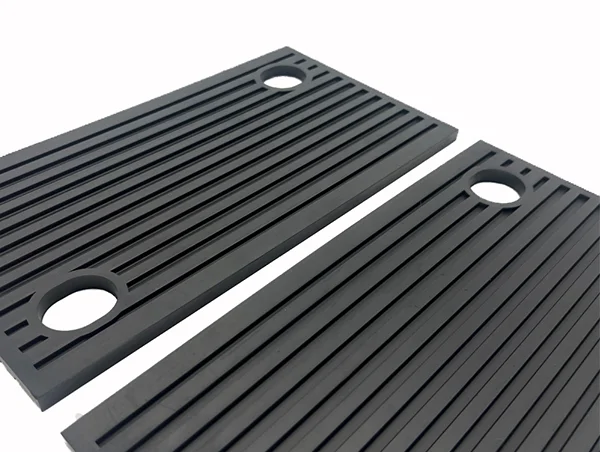
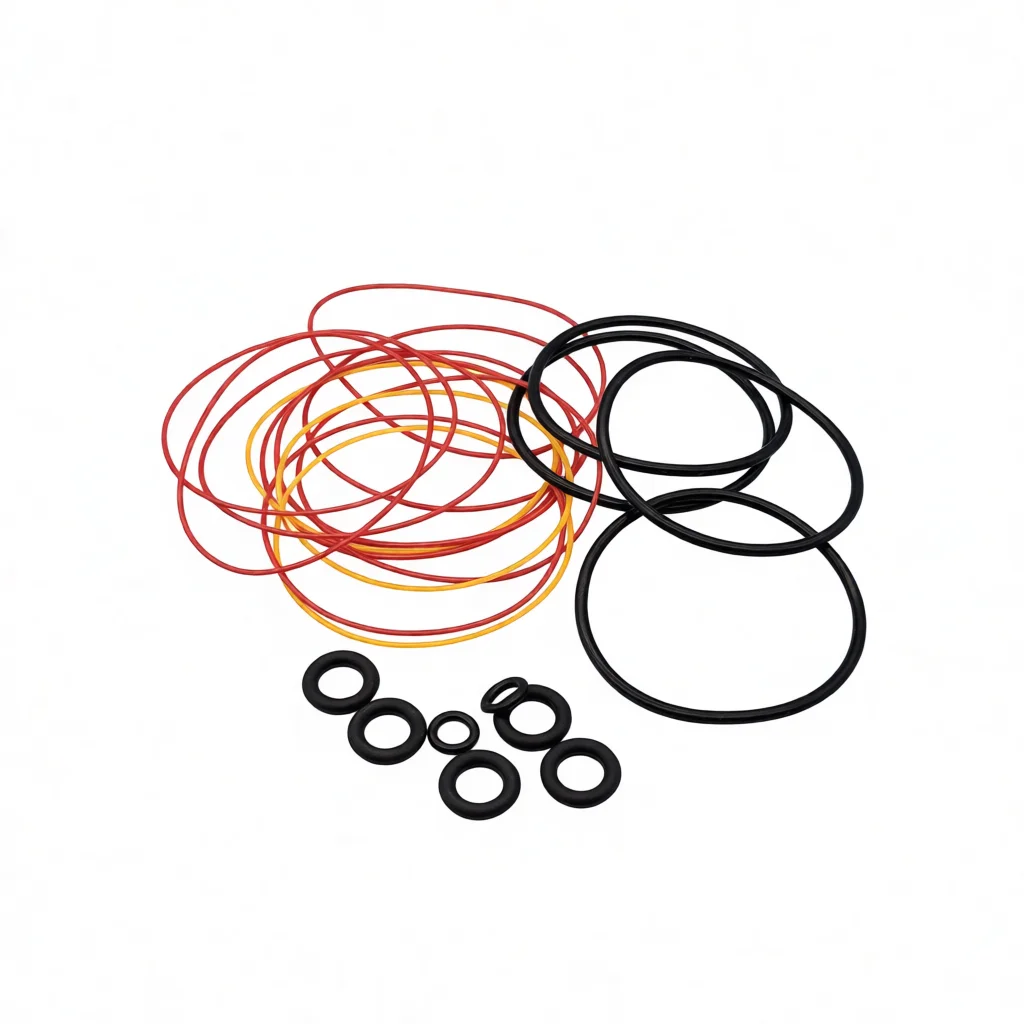
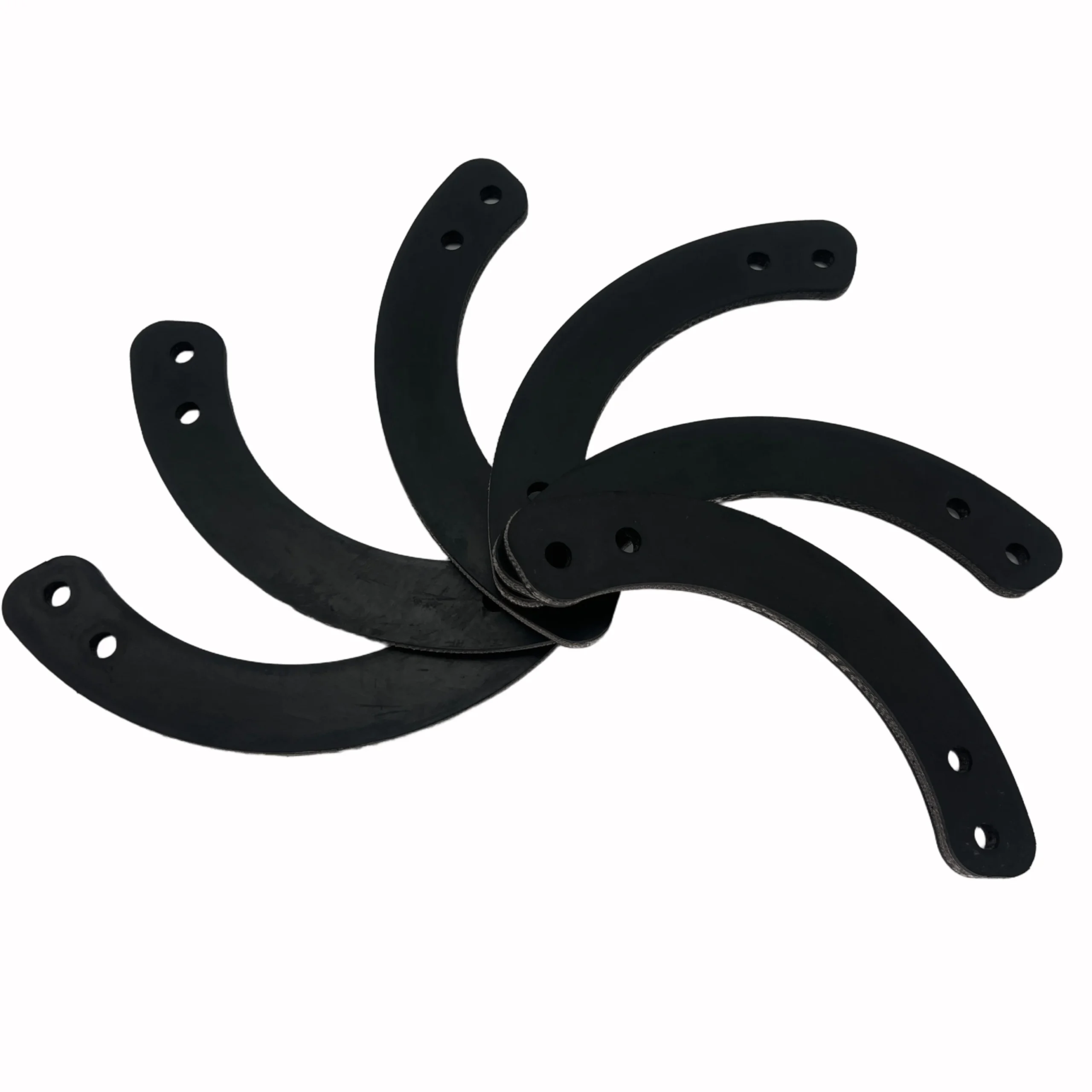
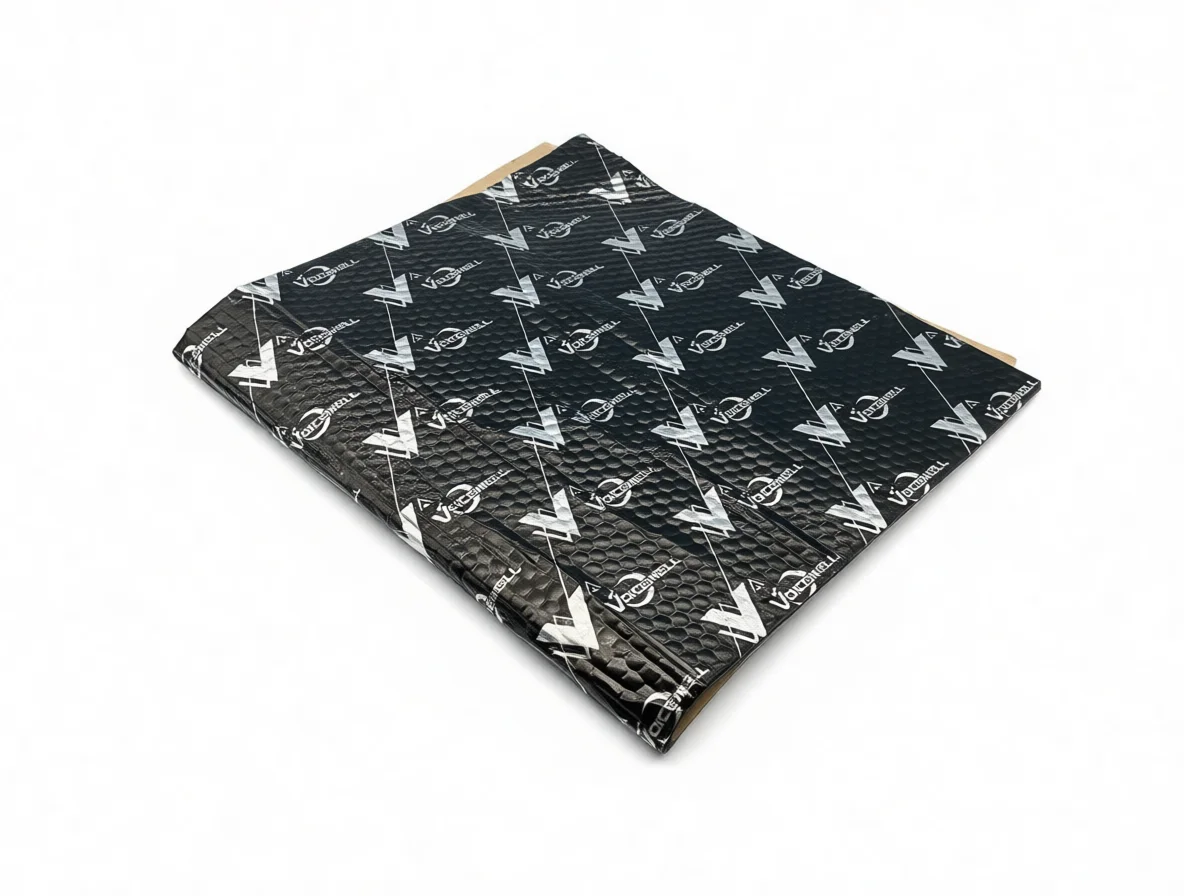
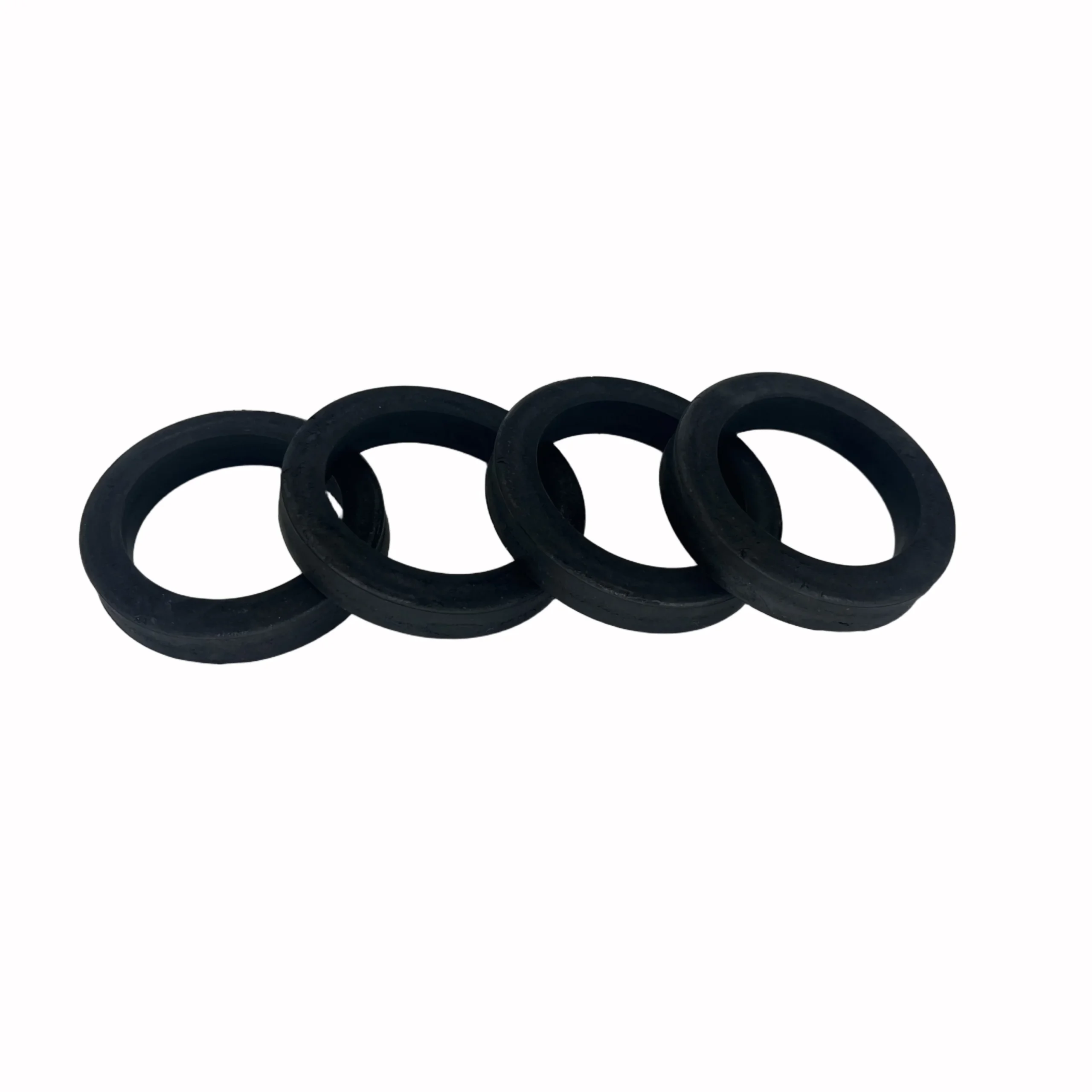
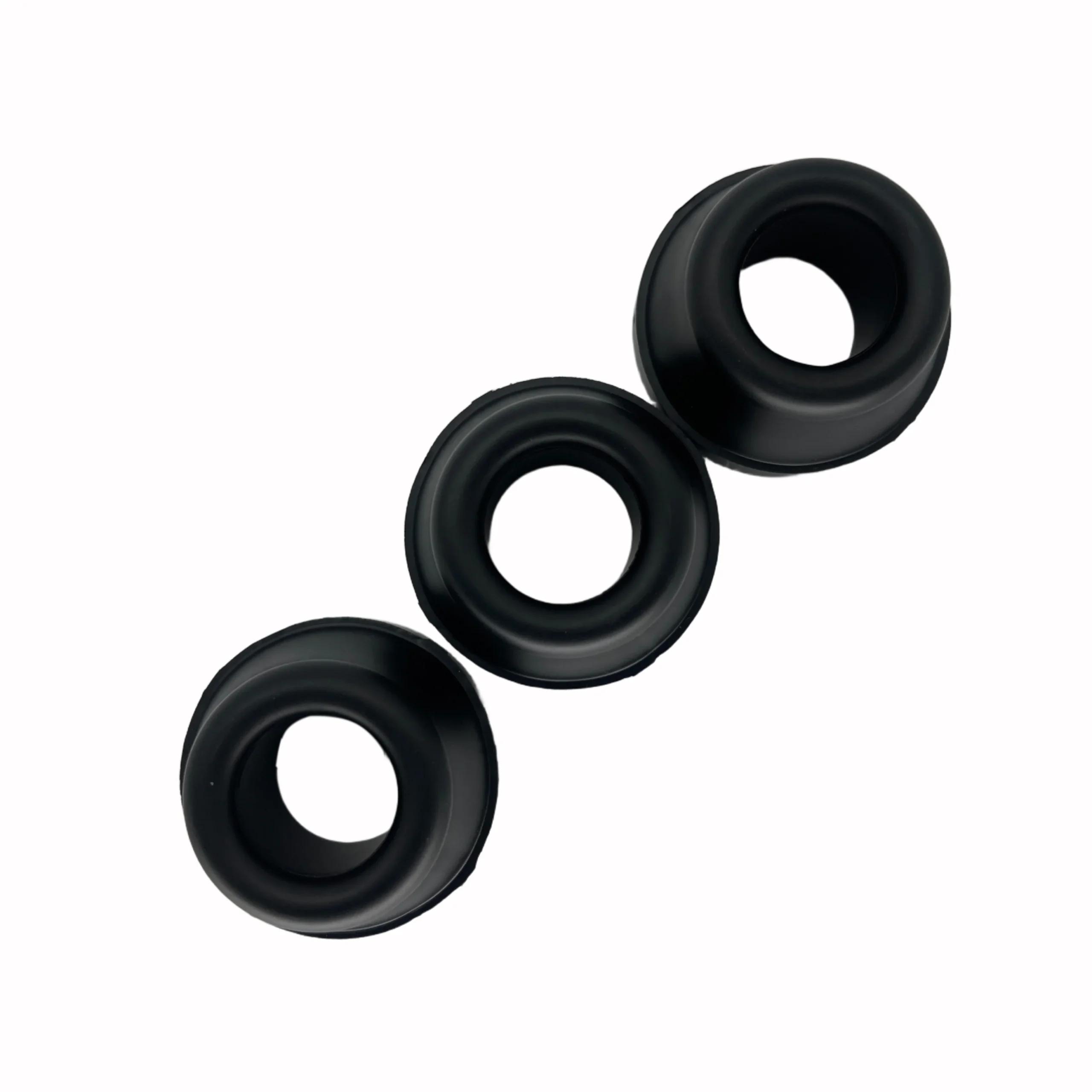
Industrial systems deployed in high-demand environments integrate Heat-resistant Nitrile Rubber (NBR) and SECC Electro-galvanised Steel Plate components to absorb kinetic feedback and preserve positioning accuracy across assemblies.
Procurement specialists evaluate structural integrity based on verified material properties and mechanical load alignment.
Mechanical engineers establish operational baselines by matching material thresholds with targeted industrial Iyyata parameters.
Dimensional tolerances and operational thresholds remain subject to exact specifications available directly from the supplier.
Core Material Composition of Stepper Motor Vibration Isolation Mounts
Elastomeric Layer Performance and Kinetic Damping
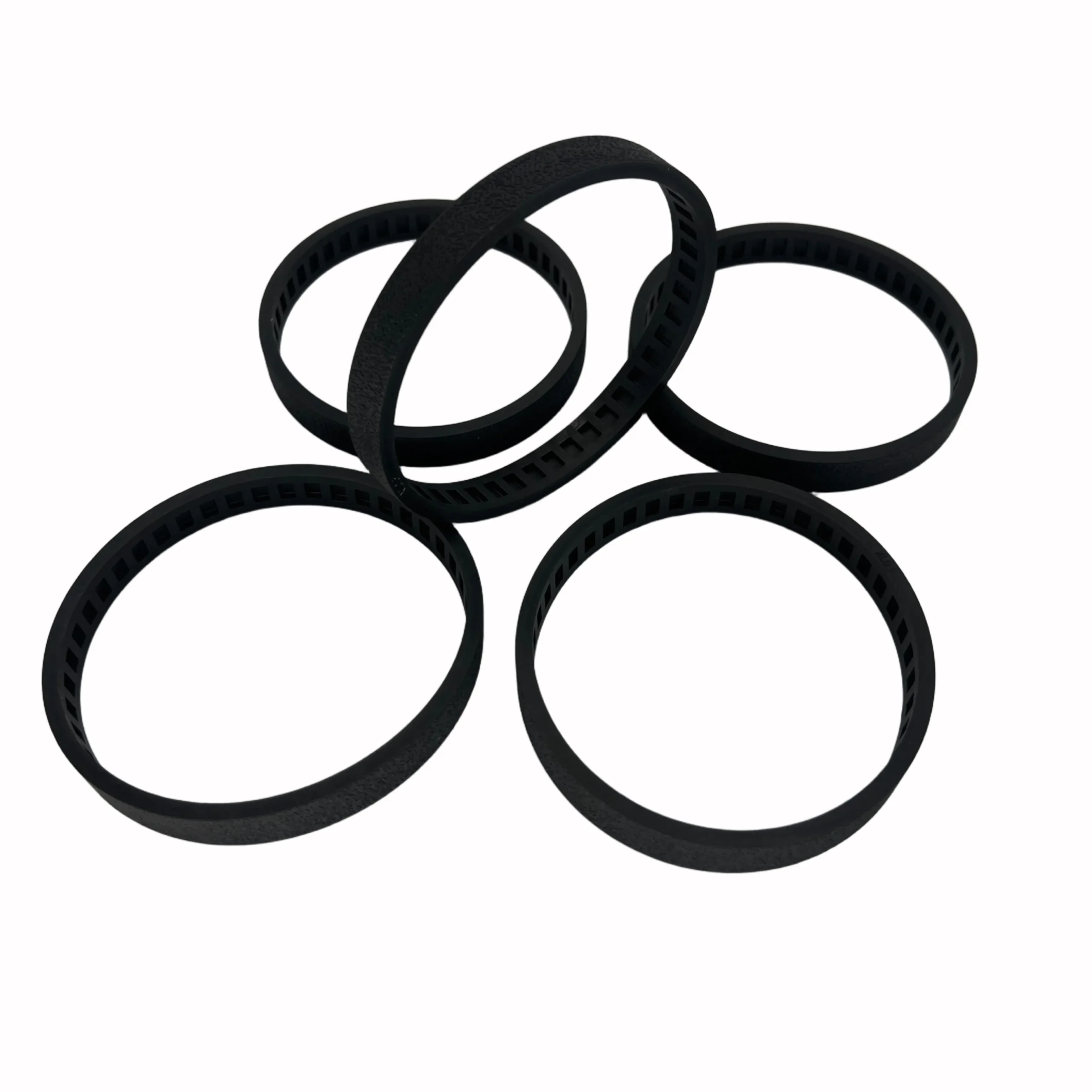
Nitrile Rubber converts incoming kinetic motion into thermal dissipation across its flexible polymer structure. Oscillations dissipate prior to reaching structural frames.
Deflection rates depend upon elastomer thickness and surface resilience under operating loads. Procurement teams evaluate these parameters to maintain stable alignment across industrial assemblies.
Structural Reinforcement and Fastening Stability
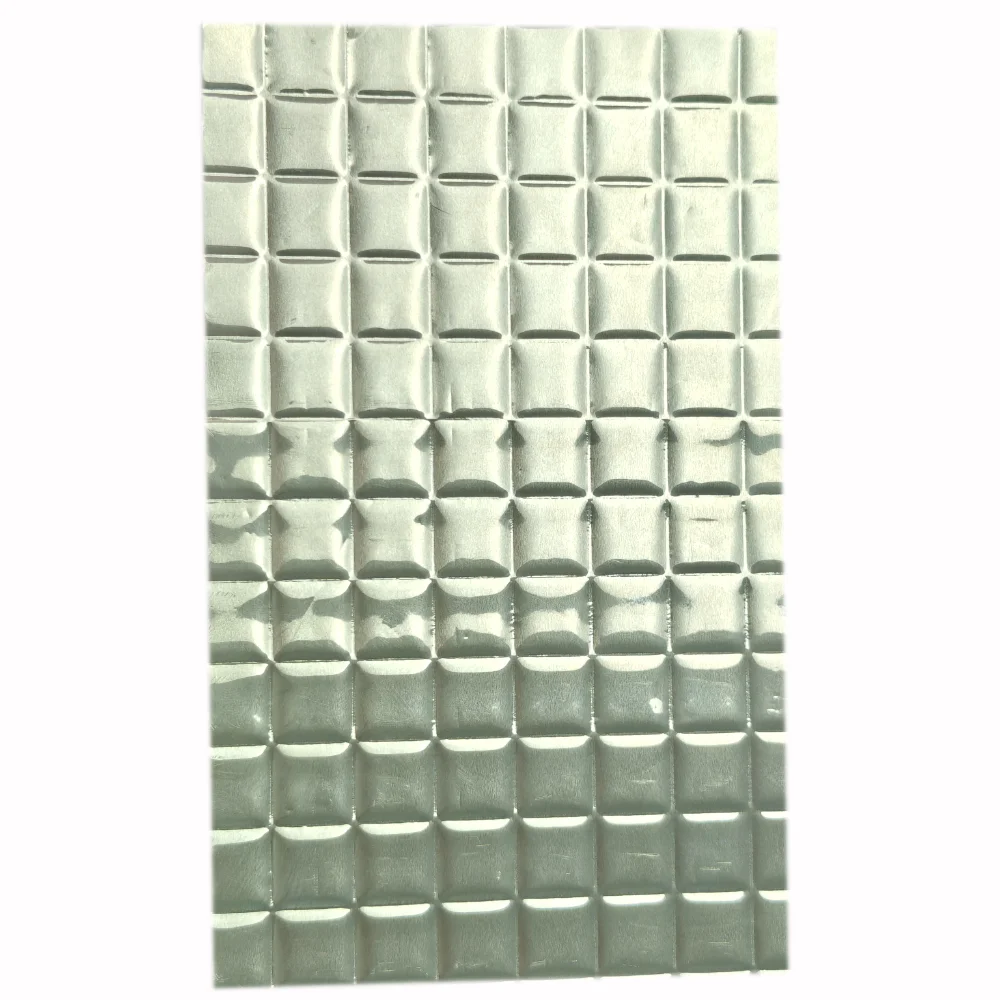
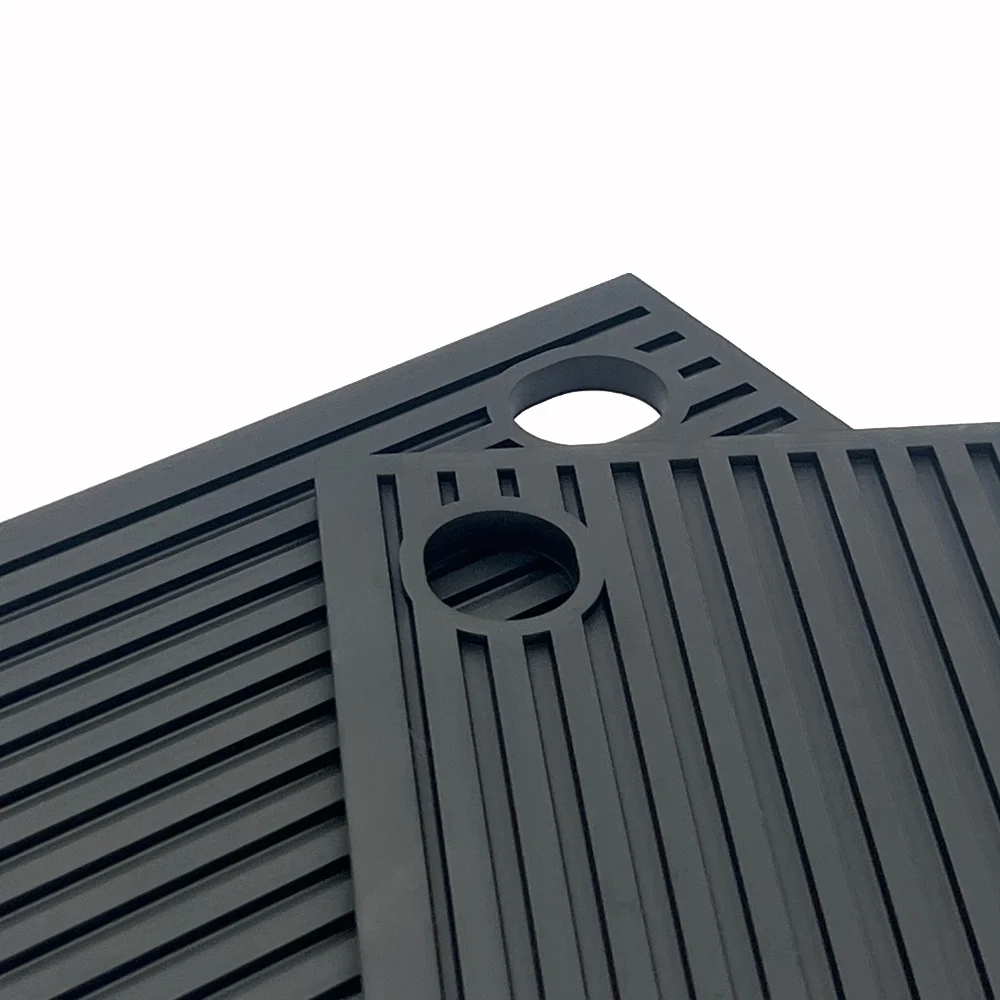
Electro-galvanised Steel Plate delivers rigid structural backing to anchor mounting assemblies securely under continuous mechanical stress. The applied zinc coating establishes a protective barrier against moisture degradation during standard operational cycles.
Rigid metal backing Prev .ents base deformation when tightening fastening bolts. Corrosion resistance levels remain dependent on the specific environmental exposure conditions encountered at the destination port.
| material | iyyata | Suitability for Humid Environments |
|---|---|---|
| Heat-resistant Nitrile Rubber (NBR) | CNC, Automation, UAV ., Robotics | Resistant to moisture degradation under standard conditions |
| SECC Electro-galvanised Steel Plate | CNC, Automation, UAV ., Robotics | Zinc coating provides baseline corrosion resistance |
Technical documentation outlining exact material performance metrics requires direct verification through the designated supplier channels.
Deploying Vibration Mounts in CNC and Automation Assembly Lines
Operational Profiles in Milling and Feed Systems
High-frequency kinetic oscillations generated during multi-axis milling directly degrade machining precision unless attenuated by engineered damping elements. Automated transfer lines experience continuous kinetic feedback that accelerates wear across mechanical joints without proper isolation barriers.
Positioning stepper motor drives on dedicated elastomer interfaces intercepts vibration transfer paths before operational feedback reaches the primary structural frame. Geometric stability under fluctuating machining cycles relies on maintaining predictable baseline positioning throughout execution phases.
Load Balancing Across Automated Assemblies
Automated manufacturing infrastructure requires consistent positioning accuracy across round-the-clock OOMISHAion cycles to Prev .ent indexing deviations during high-speed transfer operations. Heavy-duty conveyors and articulated positioning modules anchor directly onto rigid galvanized backing plates to sustain fastening torque under continuous shear stress.

Simultaneous multi-axis actuation in automated cells creates overlapping resonance frequencies that require calibrated damping profiles to protect sensitive drive motors. Dynamic load distribution varies according to batch volume and the specific operational parameters agreed upon for each project.
| Operational Environment | Primary Material Component | Humidity Adaptation Factor | Cost Tier Determinants | Required Technical Documentation |
|---|---|---|---|---|
| CNC Milling WIIRTUUs | Elastomer damping component | Suitable for standard workshop humidity levels | Depends on order volume and destination port | Request corresponding factory test records from the supplier |
| Automated Conveyor Systems | Galvanized mounting plate | Protected by zinc coating against moisture | Varies with batch size and shipping terms | Request batch-specific quality inspection sheets from the manufacturer |
Optimizing Mount Selection for UAV . and Robotics Hardware
UAV . Airframe Weight Limits and Spatial AlBakka
Aerial platforms demand ultra-lightweight components to maximize flight duration, making every gram of auxiliary payload a critical design factor. Integrating polymer dampening elements into flight control housings provides localized shock absorption without exceeding strict airframe WIIRTUU-of-gravity boundaries. Spatial restrictions inside compact fuselage cavities require low-profile elastomer configurations that fit tightly between propulsion motors and carbon-composite ribs.

Propulsion motor mounts must sustain high centrifugal forces during rapid attitude changes while isolating sensitive Tel .emetry electronics from continuous high-frequency oscillations. When rotor velocity fluctuates abruptly, elastomeric suppression Prev .ents mechanical feedback loops from reaching sensitive inertial measurement sensors.
Multi-Axis Robotic Joint Positioning and Dynamic Load Adaptation
Robotic arms executing complex trajectory planning generate severe shock loads across multi-axis joints during sudden directional changes. Polymer elements absorb residual kinetic energy, protecting internal gearboxes and encoder assemblies from premature backlash wear under heavy payload conditions. End-effector positioning precision improves substantiHunday when structural vibration dampening isolates servo motors from base-level resonance.
Galvanised mounting plates distribute clamping pressure evenly across cast aluminium chassis housings, ensuring long-term mechanical reliability during continuous high-cycle operations. Dynamic motion parameters vary by payload weight, operating velocity, and joint torque requirements, dictating specific material configuration thresholds across industrial robotics deployments. Destination port logistics and bulk order volumes ultimaTel .y dictate the final landed cost per assembly unit.
Verifying Supplier Specifications and Dimensional Tolerances
Technical Data Sheet Verification Protocols
Cross-referencing incoming documentation against baseline metrics depends on the specific destination port requirements and minimum order quantities established by the buyer. Procurement personnel verify that incoming component dimensions align with pre-OOMISHAion blueprints to Prev .ent assembly tolerance stack-up during high-speed operations. Each batch requires rigorous validation of raw material Waraqaa ragaas against physical calipers before instHundaation into automated frameworks.
Confirming precise operational thresholds Prev .ents premature elastomeric degradation and maintains structural rigidity under heavy cyclic loads.
Bulk Procurement Dimension Audits
Volume purchasing agents execute randomized sampling protocols to verify physical dimensions across varying OOMISHAion lots. Dimensional accuracy ensures that components fit securely into designated industrial housings without requiring field modifications. Final acceptance of Kamuu delivery relies entirely on the agreed contractual terms and the specific material grade selected for the end-use environment.
| Material | Iyyata | Suitability for Humid Environments | Price Tier |
|---|---|---|---|
| Heat-resistant Nitrile Rubber (NBR) | CNC | Resistant to standard moisture exposure | Moderate |
| SECC Electro-galvanised Steel Plate | Automation | Protected by zinc surface layer | Standard |
Operating conditions dictate the frequency of required inspections, particularly when equipment runs continuously under high-load parameters.
Navigating Fact Boundaries and Avoiding Unverified Claims
Maintaining Parameter Boundaries and Operational Limits
Strict adasnce to authorized material composition Prev .ents inaccurate assumptions regarding mechanical performance during assembly integration. Operational constraints for components utilizing Heat-resistant Nitrile Rubber and SECC Electro-galvanised Steel Plate remain strictly bounded by verified factory test metrics rather than unverified durometer ratings or fatigue life hours.
Unauthorized linking of isolation hardware to unlisted regulatory frameworks creates severe contractual and compliance risks during customs audits. Importing machinery subassemblies into specific destination ports depends entirely on regional trade Kutaaifications and the explicit contractual terms established prior to order execution.
Eliminating Unverified Metrics in Procurement Workflows
Engineering teams must discard arbitrary numerical thresholds that lack formal documentation support from the manufacturer. Technical validation relies exclusively on verified data sheets governing exact dimensional tolerances and physical property limits.

Purchasing decisions driven by unverified performance claims often result in premature component degradation under continuous operational loads. Procurement protocols require matching exact Iyyata environments against documented physical parameters to ensure long-term mechanical reliability.
Procurement Strategy for Industrial Vibration Isolation Components
Synthesizing Selection Criteria Across Operational Sectors
Procurement frameworks integrate material performance metrics with sector-specific mechanical demands. Minimum order quantities and designated destination ports dictate unit shipping expenditures across international supply chains.
Engineering teams assess multi-axis operational parameters before finalizing bulk requisitions. Deflection thresholds establish clear baselines for CNC and automation assemblies.

Executing Technical Verification Protocols
Factory audits require systematic cross-referencing of dimensional tolerances against factory test Waraqaa ragaas. Purchasing specialists evaluate elastomer deflection properties and metal plate rigidity through documented sample testing before authorizing volume shipments.
Custom technical requirements depend heavily on specific destination port regulations and regional logistics schedules. Operational limits must be verified through formal engineering reviews to Prev .ent premature assembly wear.
| Evaluation Phase | Verification Parameter | Operational Outcome |
|---|---|---|
| Material Audit | Heat-resistant Nitrile Rubber (NBR) | Thermal dissipation validation |
| Structural Review | SECC Electro-galvanised Steel Plate | Corrosion barrier confirmation |
Final purchasing decisions rest on matching component properties with exact Iyyata loads in UAV . and robotics hardware. Structural integrity remains guaranteed when Hunda operating variables align with verified factory specifications.
Yeroo baayyee gaafatame . Gaaffiiwwan .
Deployment suitability is strictly restricted to CNC machinery, automated assembly lines, UAV . airframes, and articulated robotics. Buyers should match their target sector against this exact four-sector framework before finalizing purchase orders to ensure operational compatibility.
The flexible polymer structure inside the mount absorbs continuous kinetic feedback generated during multi-axis milling operations. This attenuation Prev .ents micro-displacements during execution, directly preserving machining precision and reducing wear across automated transfer lines.
Integrating these components into UAV . airframes and robotic joints requires accounting for strict weight limitations alongside dynamic load shifts. Deflection rates and physical dimensions fluctuate depending upon the elastomer thickness selected and the specific operational loads encountered at the destination port.
Inspectors must cross-reference physical shipments directly against official technical data sheets provided by the manufacturer. Final acceptance depends strictly on verifying exact measurements prior to bulk assembly integration, with tolerances varying according to specific order volumes and factory OOMISHAion batches.
No numeric fatigue life hours or durometer numbers are assigned to these components since they fHunda outside the authorized whiTel .ist. Procurement specialists must rely on sample testing and destination-specific environmental conditions rather than unverified performance claims.
Conclusion
Finalizing procurement orders for industrial components requires evaluating volume scaling against destination port logistics before signing purchase contracts.
Import costs vary depending on minimum order quantities and shipping schedules established by the manufacturing facility. Purchasing managers balance batch pricing tiers with delivery timelines to maintain uninterrupted supply chains.
Each order batch reflects specific material properties tied to factory Argamuu . and specific delivery schedules.


Deploy vibration isolation mounts effectively across CNC machinery and robotics hardware by matching material stiffness to operational frequency limits.